
Our Permanent Exhibition

Holocaust & Genocide in the 20th Century
This uniquely curated exhibition explores the history of the Holocaust and genocide in the 20th century through a thematic lens. Visitors explore history and moral choices through the personal voices of various role players – victims, perpetrators, resisters, rescuers, bystanders and others. The exhibition urges visitors to reflect on lessons from these histories and apply them to their own lives.
Read more about our Permanent Exhibition.
Take a Virtual Tour of our Permanent Exhibition.
Download our Permanent Exhibition Catalogue.
Current Temporary Exhibition
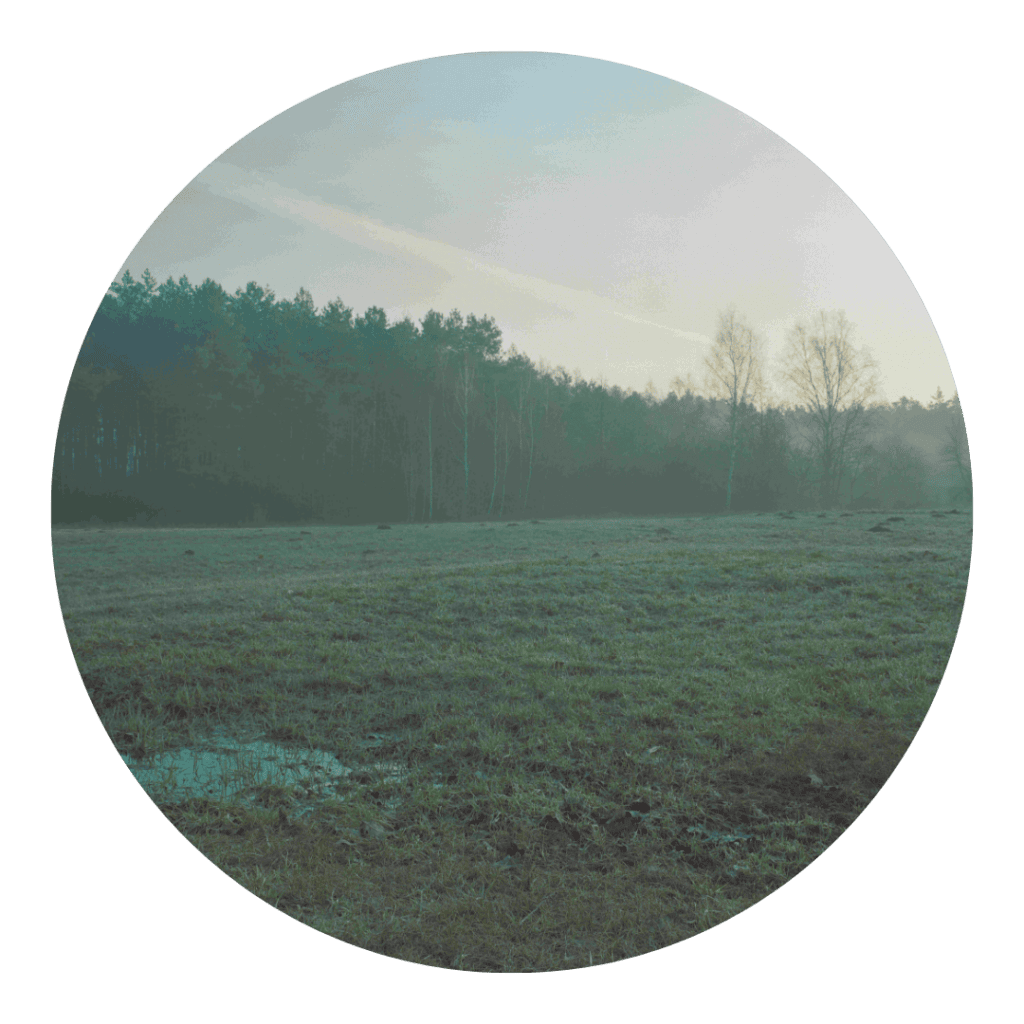
The Landscape Archive
19 August - 1 November 2026
Hall of Light
The exhibition reveals a lesser-known landscape of the Holocaust: the hundreds of unmarked burial sites of Jewish victims scattered across forests, fields, and roadsides in Poland. While the Holocaust is often associated with major killing centres such as Auschwitz or Treblinka, thousands of people were murdered in countless other places while hiding, escaping, or during deportations. Many of these graves remain unmarked to this day.
The exhibition presents the work of the Zapomniane Foundation, which combines historical research with non-invasive technologies to locate and document these burial sites in accordance with Jewish religious law (Halakha). Through photographs, precise geographical coordinates, and visual documentation, The Landscape Archive uncovers traces of violence still embedded in the contemporary landscape of Poland. At once a research project, an artistic intervention, and an act of remembrance, the exhibition invites visitors to reconsider how the Holocaust continues to shape the places that surround us.
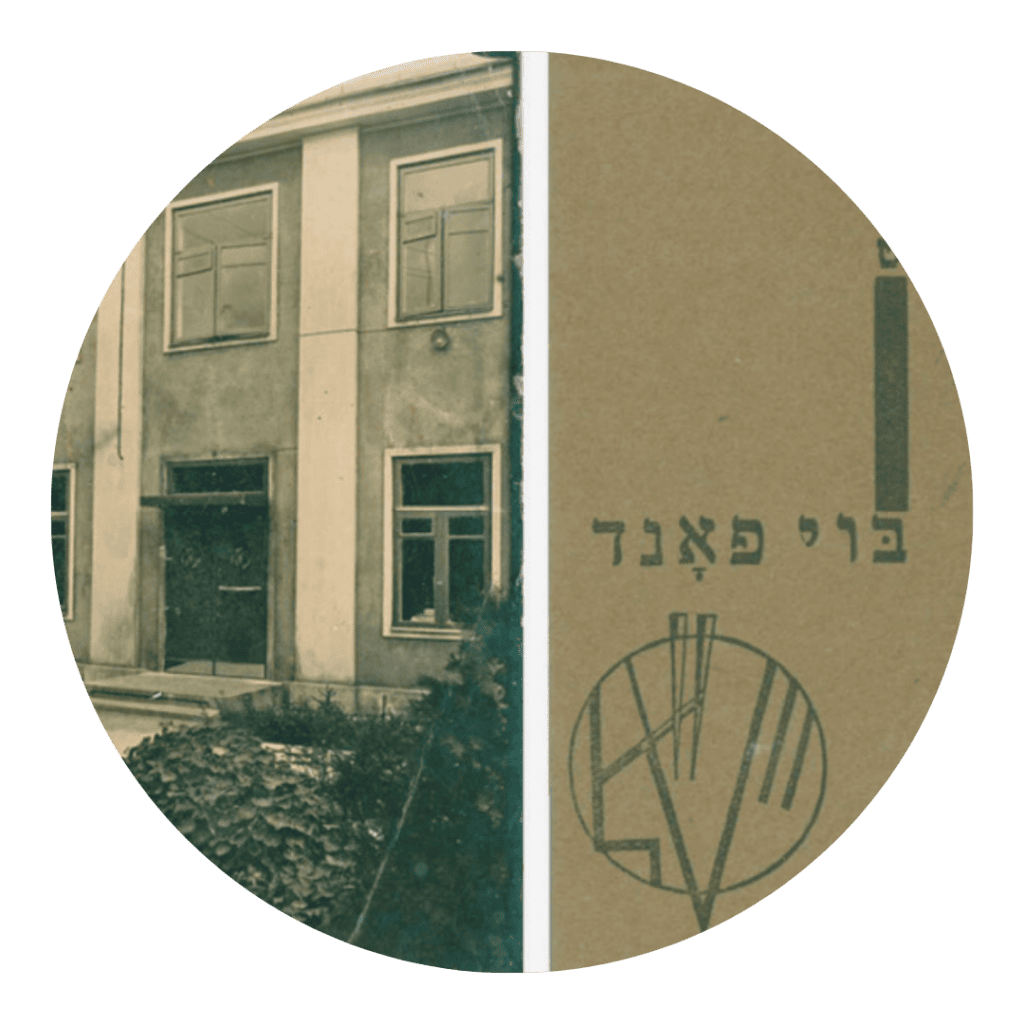
Vilnius YIVO Institute and the Interwar Jewish World
August - Mid November 2026
Resource Room
This exhibition tells the story of YIVO, the Yidisher Visnshaftlekher Institut, founded in Vilnius in 1925 as the first institution dedicated to studying the Yiddish language and the Jewish culture of Eastern Europe on its own terms. It explores how a community set out to record and dignify its own life – its language, its scholarship, its folklore, and the everyday experiences of ordinary people – and built, in fifteen short years, an internationally connected centre of Jewish learning. The exhibition traces the rich and complex legacy of Jewish life in Lithuania before, during, and after the Holocaust: a culture in full flourish, its near-total destruction during the Second World War, and its survival and continuation beyond Europe. Above all it is a reflection on memory, loss, and the endurance of a culture that was very nearly destroyed – and on why a people’s determination to preserve its own story still matters.
Exhibitions Available on Loan

South African Holocaust & Genocide Foundation Exhibitions
For more information about our available SAHGF exhibitions to loan and use for educational programmes, contact thulim@jhbholocaust.co.za or
+27-11-640-3100.